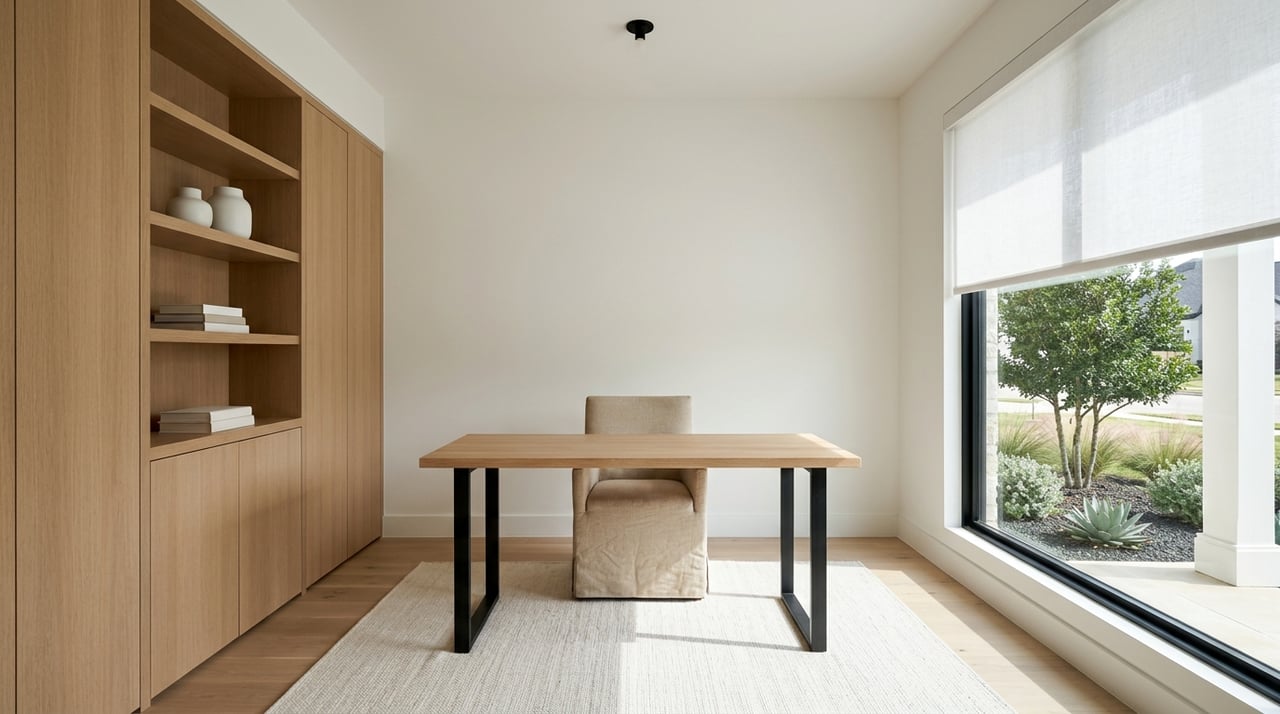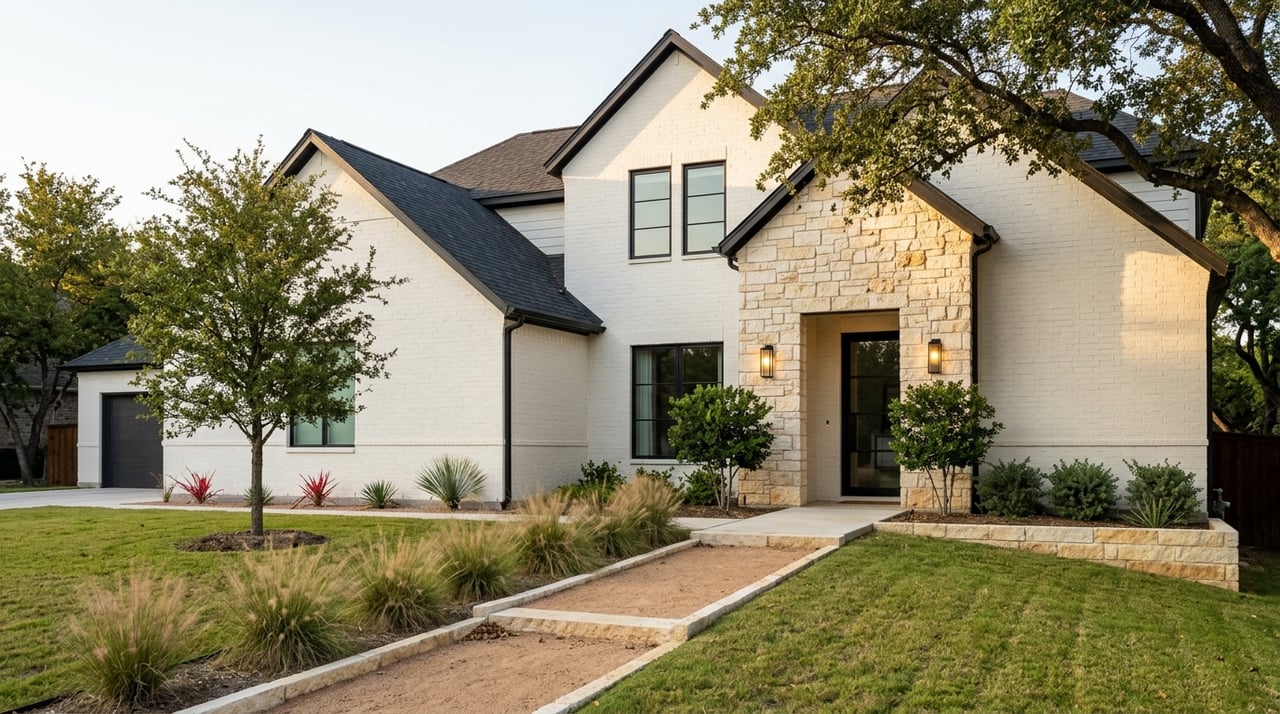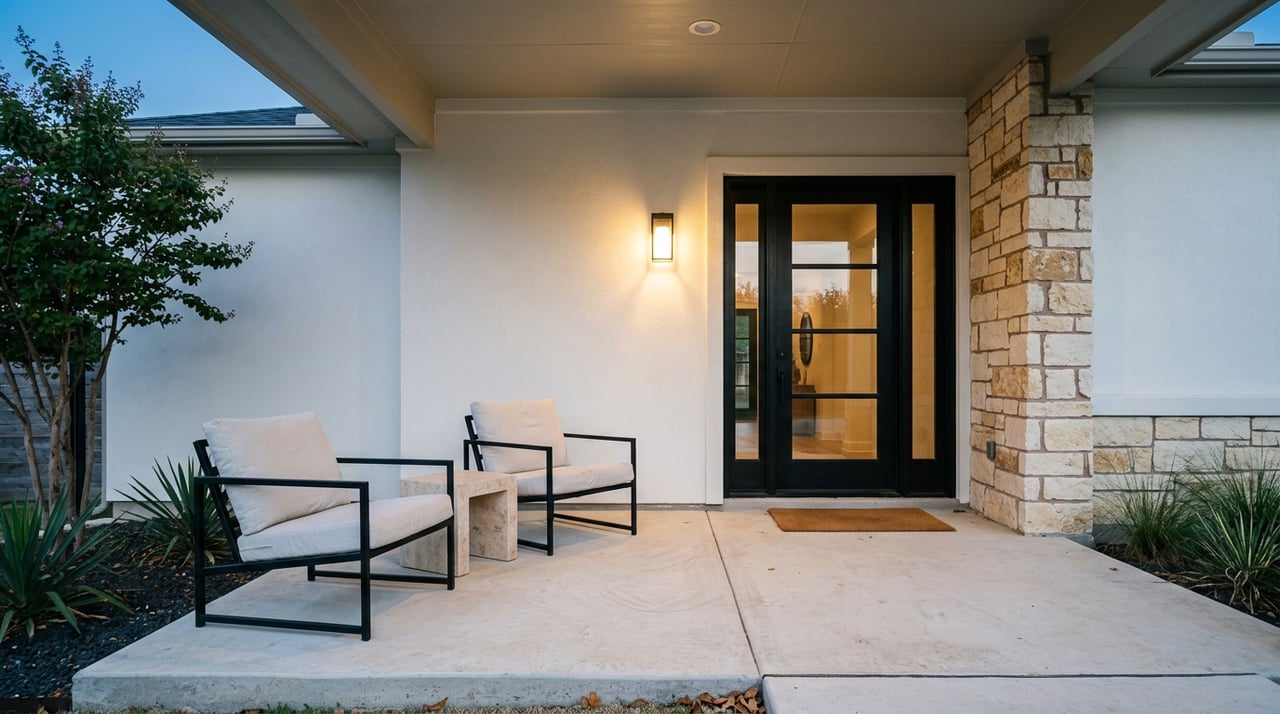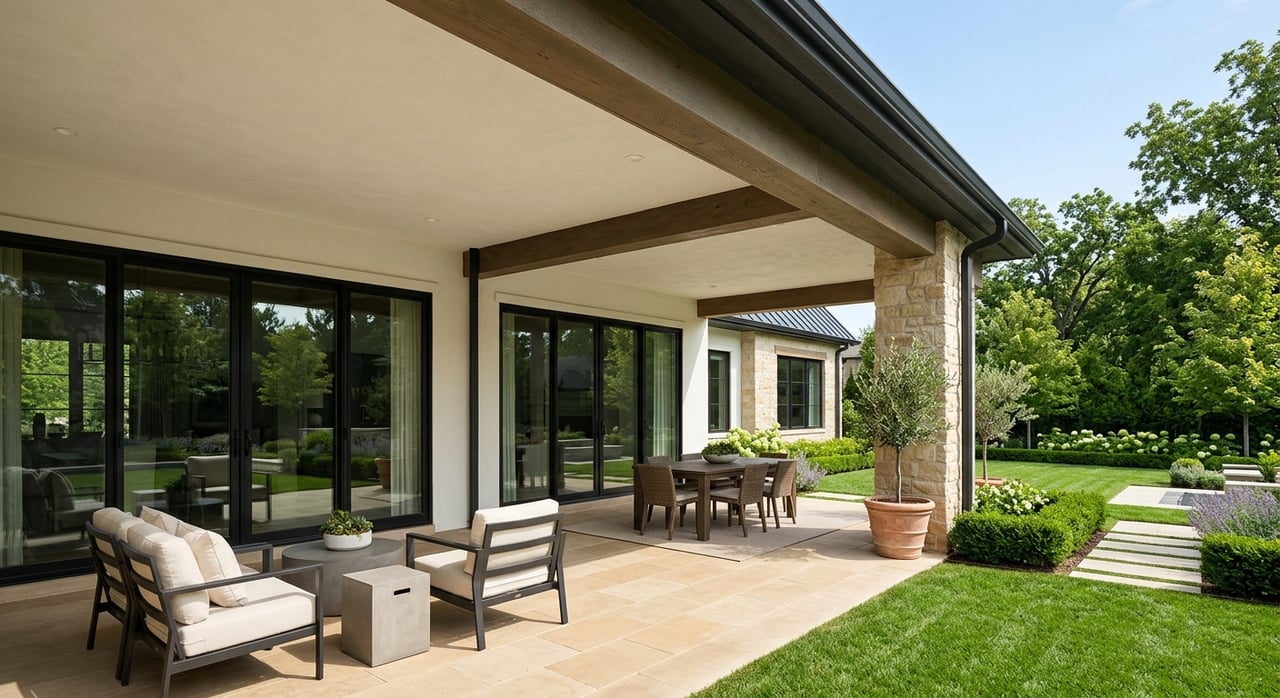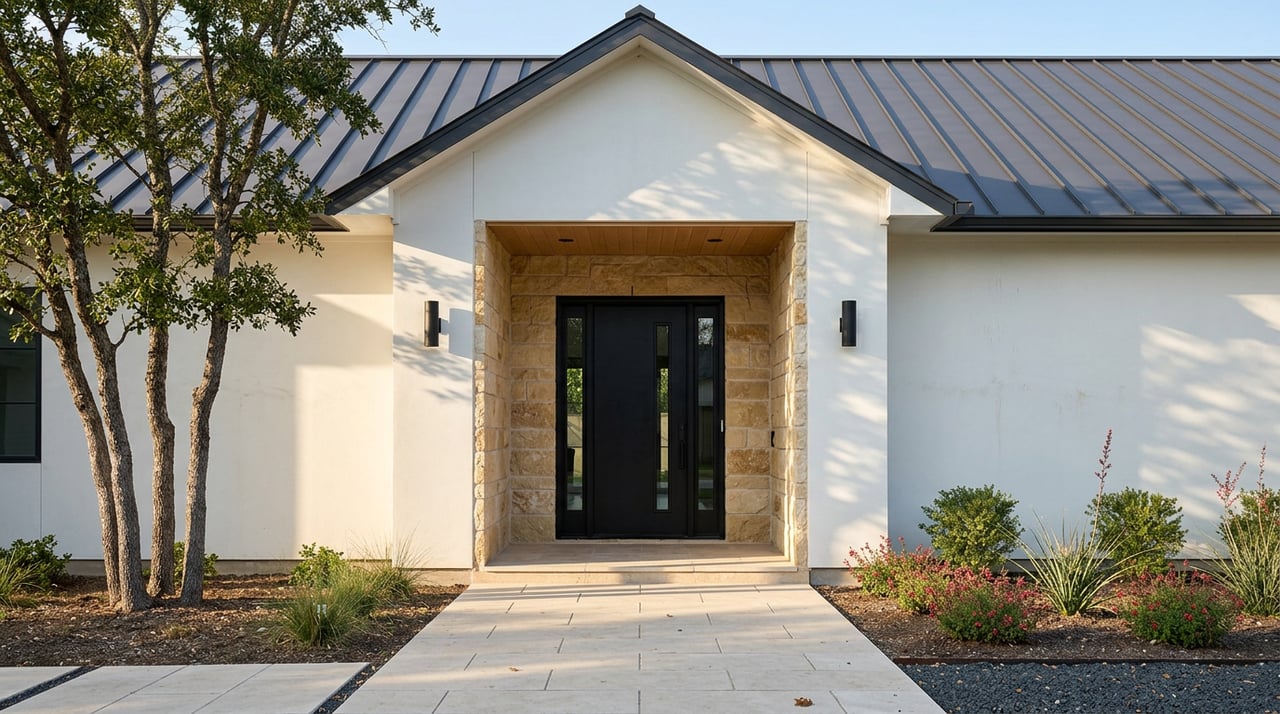
Imagine waking up to panoramic Hill Country views in a home designed exactly for how you live. If you are weighing a custom build in The Canyons at Scenic Loop near Cross Mountain, you are in the right place. Building here can be straightforward when you follow a clear plan and know what to verify at the lot level. In this guide, you will see the full roadmap, cost and time ranges, and the key checks that protect your budget and timeline. Let’s dive in.
Why build in The Canyons
The Canyons at Scenic Loop is a gated, Hill Country–style community on the northwest edge of San Antonio in Bexar County. It was planned to preserve topography and views, with lots that commonly range from about 0.5 to 1.5 acres, and the master plan footprint expanded to roughly 1,000 acres over time. You can explore the community’s design intent and terrain focus in the original planning materials from the project engineer at Quiddity.
The community operates under an HOA managed by FirstService Residential. The HOA contact sheet shows an annual assessment of $695/year and lists the Architectural Control Department contact for design review, plus utility references. It also notes San Antonio Water System for water and sewer inquiries and CPS Energy for electric, although availability can vary by lot, so verification is essential. You can see the current contacts on the HOA manager sheet.
From a planning context, portions of The Canyons have been processed through the City of San Antonio’s plat and PUD review. That history helps set permitting expectations for your builder. You can see references to accepted plat units in the City’s planning records.
Your step-by-step roadmap
Step 1: Prepare and choose representation
Custom builds have many moving parts, which is why most buyers work with an agent. Industry data shows a large majority of buyers use real estate agents, including for new construction, and an independent advisor can help you compare builders, secure financing, and manage due diligence. See the buyer‑representation snapshot from NAR.
What your agent should do early:
- Request the HOA contact sheet and ARC submission steps.
- Pull the recorded plat and legal for your target lot or unit.
- Request CC&Rs and any design guidelines from the HOA manager.
- Confirm if a buyer’s agent commission applies to any builder spec listings you are considering.
Timeline: 0 to 4 weeks depending on document access and your search scope.
Step 2: Select the lot and run due diligence
Every lot is different in The Canyons, so upfront checks are critical. Start with the recorded plat, buildable envelope, setbacks, easements, and any flood or drainage notes. The City’s planning files reference multiple plat units, which helps your team locate the exact legal description and conditions noted on the plat. See the City’s planning record reference.
Utilities can vary by unit and lot. The HOA sheet lists SAWS and CPS Energy, yet some public lot descriptions show sewer on site while others note septic required. Do not assume. Ask your agent to obtain an official water and sewer availability letter from SAWS and to confirm electric service with CPS Energy. The HOA manager sheet with utility references is here.
Topography and soils affect cost. The Canyons was designed around dramatic hillsides and view corridors, which can add sitework such as grading, retaining walls, and deeper foundations on some lots. Review a topographic survey, a geotechnical report, and a concept site plan with your builder or civil engineer. The terrain focus is highlighted in the Quiddity project summary.
Restrictions and minimums matter. Many lots carry minimum finished square footage requirements and exterior standards. Some listings mention examples like minimums around 2,600 square feet for a one‑story and 2,800 square feet for a two‑story, but always verify in the recorded CC&Rs or current ARC guidelines for the specific unit.
Pricing signals vary by view, size, and slope. Recent public lot listings in The Canyons have ranged roughly from the low one hundreds to the mid two hundreds, with premium or estate parcels higher. Treat any snapshot as illustrative and confirm current pricing with the active listing agent.
Timeline: 1 to 6 weeks depending on lot availability and studies.
Lot verification checklist
- Recorded plat with lot and unit, plus buildable envelope
- Setbacks, easements, and any drainage or flood notes
- CC&Rs and current ARC/design guidelines for the specific unit
- Utility availability letters from SAWS, plus CPS Energy confirmation
- Topographic survey and geotechnical soils report
- Preliminary site plan with driveway, pad, walls, and drainage
- Confirmation of any minimum home size or exterior standards
Step 3: Build your budget and financing
Create a full project budget: lot price, sitework, hard construction, soft costs, and contingency. For Texas custom builds, per‑square‑foot costs vary widely by finish level and site complexity. Regional guidance places many luxury/custom projects at roughly $300+ to $600+ per square foot, with mid‑range custom below that depending on scope. For your estimate, anchor on builder quotes and a detailed scope. See a Texas cost overview from JDJ Consulting.
Most custom projects use construction loans. These are often interest‑only during the build with staged draws that follow inspections. Some products convert to a permanent mortgage at completion in a single close, while others require requalification. Talk to a lender early about down payment, draw schedules, and what plans and budgets they need for approval. Review construction‑loan basics at Bankrate.
Include soft costs and a contingency. Plan for architect and engineering fees, surveys and soils, permit and impact fees, utility taps, landscaping, pool and hardscape allowances, and a 5 to 15 percent contingency depending on lot complexity.
Timeline: 4 to 12 weeks, often parallel with preliminary design.
Step 4: Select a builder and design
Interview custom builders who have local hillside experience and a track record in The Canyons. Several custom and semi‑custom builders actively market and build here, such as those shown on the Adam Michael Custom Homes community page. Ask for recent addresses, references, and schedule adherence.
Prepare your ARC package early. The HOA has an Architectural Control Department managed by FirstService Residential. Typical HOA review windows are often 30 to 45 days after a complete submission, and complete packets reduce back‑and‑forth. Confirm the latest submittal checklist, fees, and any deposits with the manager. Reference the HOA contacts and ARC email, and note that detailed design standards may be available through the community’s owners portal.
Timeline: 4 to 12+ weeks depending on design complexity and ARC cycles.
Step 5: Permitting and site preparation
Your builder will coordinate permits with the City of San Antonio and address any plat conditions tied to your unit. Permitting cycles can add several weeks to months depending on completeness and department workload. The City’s prior PUD and plat actions for The Canyons are reflected in the planning records.
Sitework begins with grading, utility trenching, and any septic installation if sewer is not available. On hillside lots, deeper foundations, engineered piers, and retaining systems are common, which can add both cost and time. Incorporate these allowances early to avoid surprises.
Timeline: permits 4 to 16+ weeks based on scope, then mobilization.
Step 6: Construction phases and inspections
Active construction for a custom home in Central Texas often spans 8 to 14 months, with total project timing from design to move‑in commonly 12 to 18+ months when you include ARC and permitting. See a local guide to San Antonio custom timelines from Block Renovation.
Typical phase breakdown:
- Mobilization and foundation/sitework: 2 to 6 weeks, longer for complex footings
- Framing and exterior envelope: 4 to 12 weeks
- Rough mechanical, electrical, plumbing: 3 to 8 weeks
- Interior finishes and exterior hardscape: 8 to 20 weeks
- Punch list and final approvals: 2 to 6 weeks
Step 7: Closeout, warranties, and resale
At completion, collect the certificate of occupancy, final lien waivers, builder warranties, as‑built plans, and manuals. Walk the home with a detailed punch list and schedule any follow‑ups.
Thinking ahead to resale, quality and alignment with neighborhood scale matter. Well‑executed custom homes in established luxury enclaves tend to preserve value better than builds that depart from neighborhood standards. Your agent can pull recent comps inside The Canyons to support your plan.
Costs and timeline at a glance
| Item | Typical range or note |
|---|---|
| HOA assessment | $695/year, confirm with HOA management |
| Lot pricing examples | Often ~$119K to $259K+ depending on size, view, and slope |
| Construction costs | Many luxury/custom projects at ~$300+ to $600+ per sq ft, scope dependent |
| Contingency | 5% to 15% based on lot complexity and finishes |
| Total timeline | Commonly 12 to 18+ months from design to move‑in |
Numbers are illustrative. Verify with your builder, lender, and HOA.
Pro tips for The Canyons
- Verify utilities at the lot level. Ask SAWS for a written water and sewer availability letter, then confirm electric with CPS Energy. Do not assume sewer access on every lot.
- Budget for the terrain. View lots can carry extra sitework and retaining walls. A topo survey and soils report are must‑haves before finalizing your budget.
- Start ARC early. Request the latest ARC checklist and deposit schedule from the HOA manager. A complete packet shortens review cycles.
- Engage a lender early. Construction‑to‑permanent options can save time at conversion. Ask about draw schedules and interest‑only periods.
- Clarify builder rules. Many buyers can bring their own builder, yet the HOA may require proof of insurance, registration, and design compliance.
Ready to build in Cross Mountain?
If you want a clear, low‑stress path to a custom build in The Canyons at Scenic Loop, partner with a local advisor who handles the details. From lot scouting and utility letters to ARC submissions, lender introductions, and builder coordination, you get a single point of contact from search to move‑in. ¿Prefieres en español? Con gusto puedo ayudarte en cada paso del proceso.
Have questions or want a tailored plan for your budget and timeline? Schedule a Free Consultation with Evalon Cantu to get started.
FAQs
Can I bring my own builder to The Canyons at Scenic Loop?
- Often yes, but confirm the HOA’s approved‑builder requirements, insurance, and ARC process in writing with the manager before you sign.
How long does a custom build in The Canyons usually take?
- Many Central Texas custom projects run 12 to 18+ months from design to move‑in, with active construction often 8 to 14 months depending on the lot and scope.
Do I need a buyer’s agent for a custom home near Cross Mountain?
- Recommended, since an independent agent helps with lot due diligence, builder vetting, ARC and permit steps, and coordinating the construction‑loan process.
Is sewer service available for every lot in The Canyons?
- No, availability varies by lot and unit, so request a SAWS water and sewer letter and verify any septic requirements before you finalize your budget.
How do resale prospects compare with buying an existing luxury home?
- Resale depends on execution, lot selection, and alignment with neighborhood standards, and well‑built custom homes in established enclaves tend to hold value better over time.