If the idea of selling your Fair Oaks Ranch home feels overwhelming, you are not alone. Many owners are still living in their homes while they prepare to list, and in a market where pricing and presentation both matter, the goal is not to do more. It is to do the right things in the right order, with as little disruption as possible. This guide walks you through a low-stress selling plan built for Fair Oaks Ranch owners who want a smooth process, strong marketing, and a clear path from prep to closing. Let’s dive in.
Why a low-stress plan makes sense
Fair Oaks Ranch is a high-value homeowner market. Recent Census QuickFacts data shows a 97.3% owner-occupied housing rate, with a median owner-occupied home value of $657,600 and median household income of $174,327. That means many sellers here are preparing an occupied home, not an empty one, so a practical plan matters.
The local data also points to a market where strategy counts. Zillow estimated an average Fair Oaks Ranch home value of $697,347 and homes going pending in about 18 days as of March 31, 2026, while Redfin reported a March 2026 median sale price of $849,500 and a median 38 days on market. The numbers are measured differently, but together they suggest the same thing: buyers are active, yet sellers still need strong pricing, polished presentation, and flexibility on timing.
That is especially true in the broader San Antonio area. SABOR reported 5.51 months of inventory in February 2026, and the Texas Real Estate Research Center noted elevated inventory and ongoing pricing pressure to start the year. In other words, this is not a market to list casually and hope for the best.
Start with a strategic walk-through
The lowest-stress home sale usually starts before any cleaning bins, paint samples, or repair calls. A broker walk-through helps you sort what truly needs attention from what can be left alone. That first step keeps you from wasting time and money on updates that may not improve your outcome.
For many Fair Oaks Ranch owners, the right plan is not a major renovation. It is a focused review of condition, buyer expectations, and timing. With a concierge-style approach, you can create a sale calendar that works around your real life instead of turning your house upside down.
Focus on must-fix items first
Not every imperfection needs to be addressed before listing. Start with items that affect function, maintenance, or buyer confidence. If something looks like deferred upkeep, creates a safety concern, or may come up during the disclosure process, it deserves early attention.
This is also where local property details matter. TREC’s current Seller’s Disclosure Notice includes questions that may touch on insurance history, private roads, aboveground storage tanks, and conservation easements. In parts of the Hill Country and Fair Oaks Ranch, parcel-specific issues like private-road access or deed-related restrictions can affect your prep timeline, so it helps to identify them early.
Skip big remodels unless there is a clear reason
For most sellers, large-scale remodeling adds stress faster than it adds value. The research supports a lighter-touch approach centered on decluttering, repairs, depersonalizing, and styling rather than remodeling. That is usually the better fit for an occupied home and a market where realistic pricing still matters.
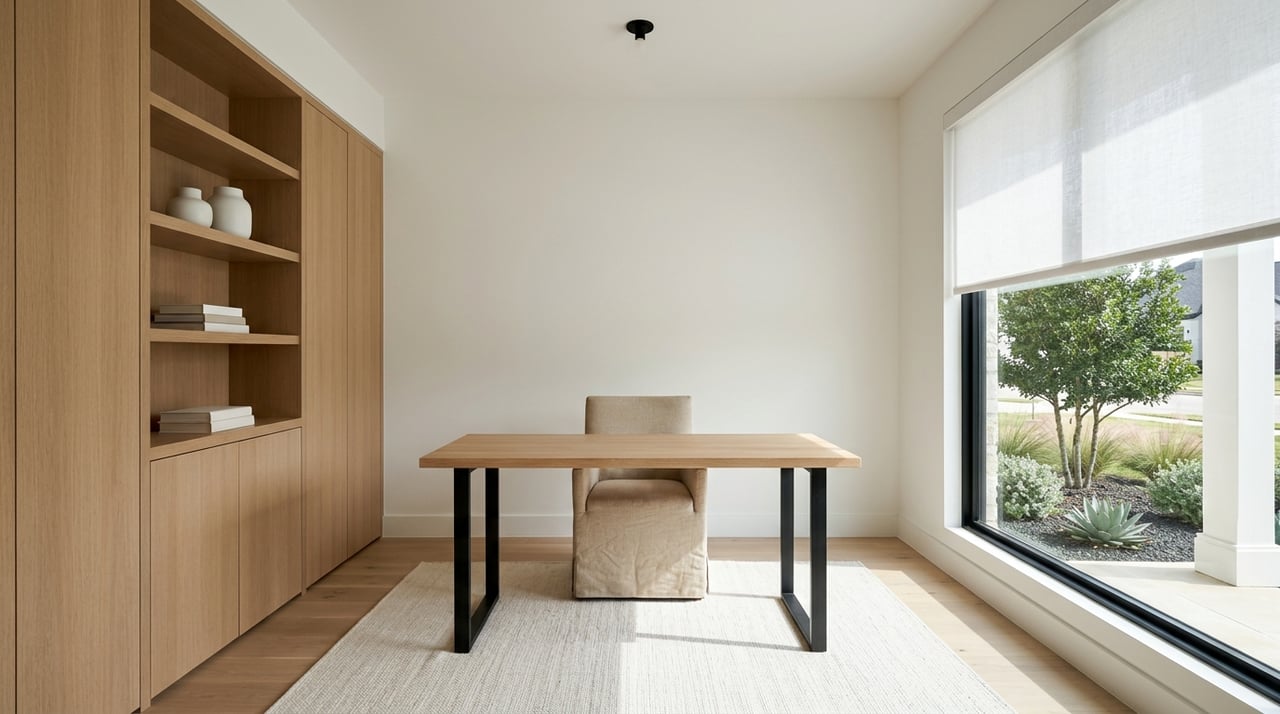
If you are deciding where to spend money, think in terms of clarity and cleanliness. Fresh, neutral, well-maintained spaces tend to do more for buyer perception than expensive projects started right before listing. The goal is to help buyers see the home easily, not to make the home feel brand new.
Prep the rooms buyers notice most
When you want the biggest impact with the least disruption, prioritize the spaces buyers notice first. According to NAR’s 2025 staging snapshot, the most commonly staged rooms are the living room, primary bedroom, dining room, and kitchen. Those rooms usually carry the most visual weight in photos and showings.
That gives you a simple roadmap. Instead of trying to perfect every corner of the house, focus on the rooms that shape the overall impression. A calm, bright, edited presentation in these spaces can go a long way.
Keep the living room simple and open
The living room often sets the tone for the rest of the home. Clear extra furniture, remove overly personal decor, and create easy walking paths. If the room feels open and balanced, buyers can focus on the scale, light, and layout.
Refresh the primary bedroom
The primary bedroom should feel restful, not crowded. Fresh bedding, tidy surfaces, and limited personal items can make the space feel larger and more inviting. This is one of the easiest rooms to improve without a major expense.
Edit the kitchen carefully
You do not need a full kitchen renovation to make a strong impression. Clear countertops, limit small appliances, and clean visible surfaces thoroughly. Buyers often respond to kitchens that feel bright, functional, and easy to maintain.
Give the dining area a purpose
Whether you have a formal dining room or a casual dining area, make sure it reads clearly in photos. A simple table setting or a clean, uncluttered surface helps define the space. Buyers connect more easily when each room has an obvious use.
Use staging as a light touch, not a burden
Staging does not have to mean moving out or renting a truckload of furniture. NAR’s 2025 staging research found that 83% of buyers’ agents said staging made it easier for buyers to visualize a future home. The same research found that 49% of sellers’ agents said staging reduced time on market, and 29% saw a 1% to 10% increase in dollar value offered.
That is why a low-stress seller plan usually leans on light staging. Think decluttering, repairing, depersonalizing, fresh towels, fresh bedding, and simple styling before photos. These changes help the home show well while still allowing you to live in it comfortably.
Build a showing plan around your routine
One of the biggest worries sellers have is keeping a home show-ready while living in it. The answer is not perfection all day, every day. It is a predictable system.
A concierge-style showing plan can reduce stress by creating clear expectations from the start. That may include:
- designated showing windows
- reasonable advance notice when possible
- coordinated vendor scheduling before launch
- a quick daily reset plan for key rooms
- a plan for pets, cars, or household routines
This kind of structure helps you avoid constant disruption. It also makes the home easier to present consistently to serious buyers.
Make online presentation do the heavy lifting
The smoother your online launch is, the fewer unnecessary showings you are likely to deal with. NAR reports that 81% of buyers rated listing photos as the most useful feature in their online search. Buyers also find detailed property information, floor plans, and virtual tours helpful when narrowing options.
That means your marketing package should not be an afterthought. In a market like Fair Oaks Ranch, strong online presentation helps buyers understand the home before they ever step inside. That can improve the quality of interest and make your showing schedule more manageable.
Prioritize professional photography
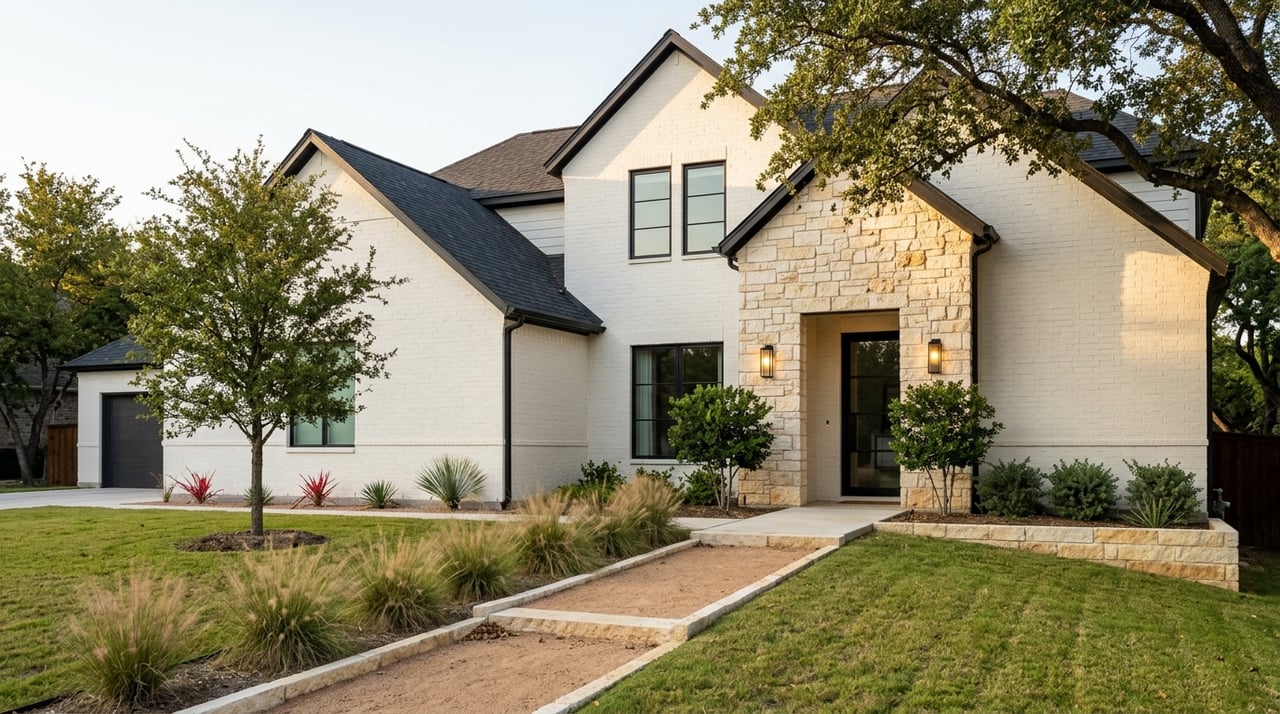
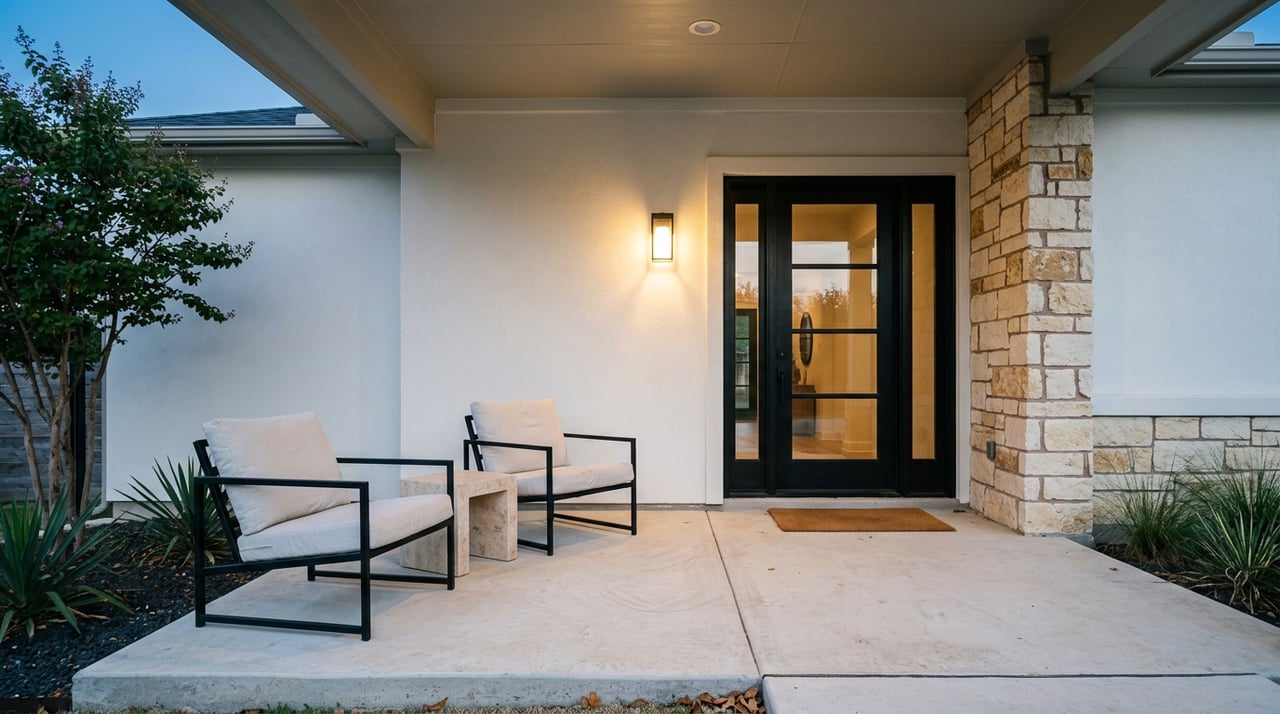
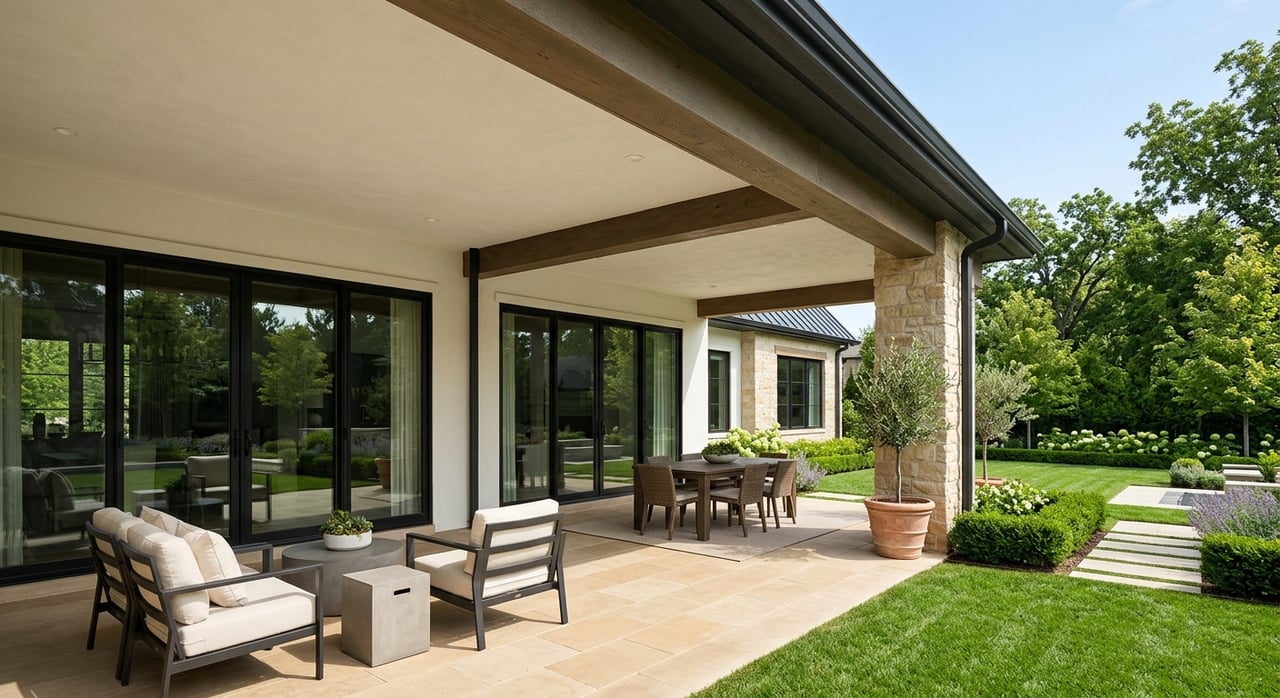
Professional photography is one of the most important parts of your listing launch. Clean composition, bright natural light, and the right image order help buyers connect with the home quickly. Even the lead photo matters because it shapes whether a buyer clicks to see more.
If a listing needs a refresh later, updating the lead image or reordering photos can help improve visibility. That is a useful tool in a market where days on market can vary and presentation still influences momentum.
Use virtual tools thoughtfully
Floor plans and virtual tours can give buyers a clearer sense of layout before they schedule a visit. That can be especially helpful for relocation buyers or busy local buyers trying to compare several homes. If virtual staging is used, any enhancement that materially changes the property should be disclosed.
Gather documents early to avoid last-minute stress
Paperwork often feels minor at the start of a sale, but it can become a major source of delay if handled too late. In Texas, sellers of previously occupied single-family homes must use TREC’s Seller’s Disclosure Notice tied to Section 5.008 of the Texas Property Code. If the home was built before 1978, the lead-based paint addendum may also apply.
It also helps to organize your brokerage paperwork early. TREC requires brokers and sales agents to provide the Information About Brokerage Services form at the first substantive communication with a party, and the current version is required beginning January 1, 2026. The practical takeaway is simple: get the relationship, timeline, and paperwork organized at the beginning, not near the finish line.
If your property has an HOA
If your Fair Oaks Ranch property is in an HOA, build extra time into your schedule. Under Texas Property Code Chapter 207, the association must deliver subdivision information and a resale certificate within 10 business days of request. The law also allows certain fees, including up to $375 plus a $75 update fee.
That timeline is one reason to request HOA materials early. Waiting until you are under contract can create unnecessary pressure, especially if buyers are reviewing documents on a deadline.
Price for today’s market, not last year’s
A low-stress sale also depends on realistic pricing from day one. Fair Oaks Ranch remains a higher-priced market, but the wider San Antonio region has seen elevated inventory and pricing pressure. That makes precise pricing and a strong launch more important than relying on older seller-market expectations.
Some Fair Oaks Ranch homes are still getting multiple offers, yet Redfin also reported that the average home sells about 3% below list price. That is a useful reminder that overpricing can create more stress, more days on market, and more negotiation later. The better approach is to price with current demand, current competition, and the home’s actual presentation in mind.
A sample low-stress selling timeline
If you want a practical way to think about the process, here is a simple sequence that fits the research and works well for occupied homes:
- Schedule a broker walk-through.
- Separate must-fix issues from cosmetic work.
- Start decluttering and depersonalizing.
- Coordinate light repairs and touch-ups.
- Prepare the living room, primary bedroom, dining area, and kitchen first.
- Gather disclosures, HOA documents, and key property details.
- Complete staging, photography, and listing prep.
- Launch with strong pricing and a clear showing plan.
This approach keeps the process orderly. More importantly, it helps you focus on the tasks most likely to support a smoother sale.
Selling your Fair Oaks Ranch home does not have to mean living in chaos for weeks. With the right pricing strategy, light but effective prep, polished marketing, and organized paperwork, you can move through the process with more confidence and less friction. If you want a customized sale calendar built around your timeline, home condition, and goals, Evalon Cantu can help you create a concierge-style plan that keeps your move as smooth as possible.
FAQs
How much prep does a Fair Oaks Ranch home usually need before listing?
- Most homes benefit more from a strategic walk-through, must-fix repairs, decluttering, depersonalizing, and light staging than from major remodeling.
Which updates matter most for a home sale in Fair Oaks Ranch?
- Functional repairs, visible maintenance items, and simple improvements in the living room, primary bedroom, dining room, and kitchen usually offer the most practical return.
How can you keep a Fair Oaks Ranch home show-ready while still living in it?
- A predictable plan with designated showing windows, quick daily resets, and coordinated vendor scheduling can reduce disruption and make day-to-day life easier.
What disclosures do Texas home sellers need before listing?
- Sellers of previously occupied single-family homes generally need TREC’s Seller’s Disclosure Notice, and homes built before 1978 may also require the lead-based paint addendum.
How does an HOA affect the home-selling timeline in Fair Oaks Ranch?
- If your property is in an HOA, subdivision information and a resale certificate can take up to 10 business days after request, so it is smart to order them early.
When should you ask for a custom home-selling calendar in Fair Oaks Ranch?
- The best time is before you start repairs, staging, or paperwork so you can build a realistic timeline around your home, schedule, and market conditions.