Thinking about moving to New Braunfels? You are not alone. This fast-growing Hill Country city draws buyers who want river access, local character, and a location between San Antonio and Austin, but it also comes with real tradeoffs around price, traffic, and neighborhood choice. If you are trying to decide whether New Braunfels fits your lifestyle and budget, this guide will help you understand what to expect before you make a move. Let’s dive in.
Why New Braunfels Gets Attention
New Braunfels has seen major growth in recent years. The U.S. Census Bureau estimated the city’s population at 122,492 on July 1, 2025, which reflects strong growth since 2020.
That growth is not happening by accident. City planning documents place New Braunfels in the Austin-San Antonio corridor and point to its location and natural resources as key drivers of future development. For buyers, that usually means you are looking at a market with both opportunity and competition.
What makes New Braunfels stand out is that it does not feel like one single type of suburb. You can find a lively downtown, river-centered recreation, historic pockets, established residential streets, and newer planned communities all in the same market.
Lifestyle in New Braunfels
For many buyers, lifestyle is the main reason New Braunfels makes the shortlist. The city is known for its downtown, the Comal River, the Gruene Historic District, and a Hill Country setting that feels distinct from many nearby suburban areas.
If outdoor access matters to you, New Braunfels offers some clear draws. The Comal River is spring-fed, stays around 70 to 72 degrees year-round, runs about 2.5 miles, and flows entirely within city limits.
That river presence shapes daily life in a big way. In some parts of town, you are close to tubing, walking spots, parks, and areas that feel more connected to the outdoors than a typical commuter suburb.
Comal River and Landa Park
The Comal River is one of the city’s signature features, and it is not just a visitor attraction. It also helps define the feel of nearby areas, especially for buyers who want water access and a more active, outdoor-oriented routine.
Landa Park adds to that appeal. The 51-acre park includes walking trails, playgrounds, an amphitheater, a miniature train, and access to Comal Springs and the beginning of the Comal River.
For buyers comparing communities, this matters because proximity to parks and river amenities can shape how a neighborhood feels day to day. It can also affect demand in certain pockets of the city.
Gruene and local character
Gruene adds another layer to New Braunfels. Located upstream on the Guadalupe River, the Gruene Historic District is known for German-Texas architecture, local shops, restaurants, and Gruene Hall, which opened in 1878 and is recognized as Texas’s oldest continually operating dance hall.
If you want a place with visible local identity, New Braunfels offers more than standard subdivision living. That said, not every area of the city feels the same, which is why neighborhood-level guidance is so important when you start touring homes.
Housing options vary widely
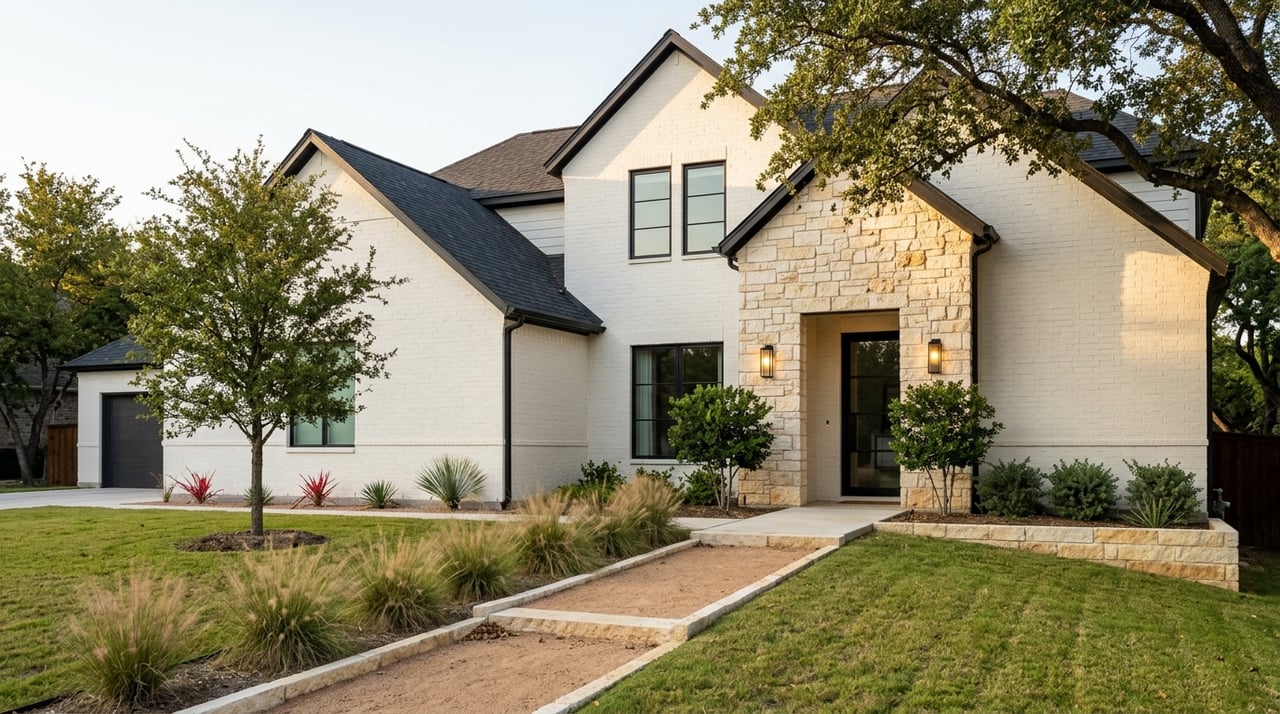
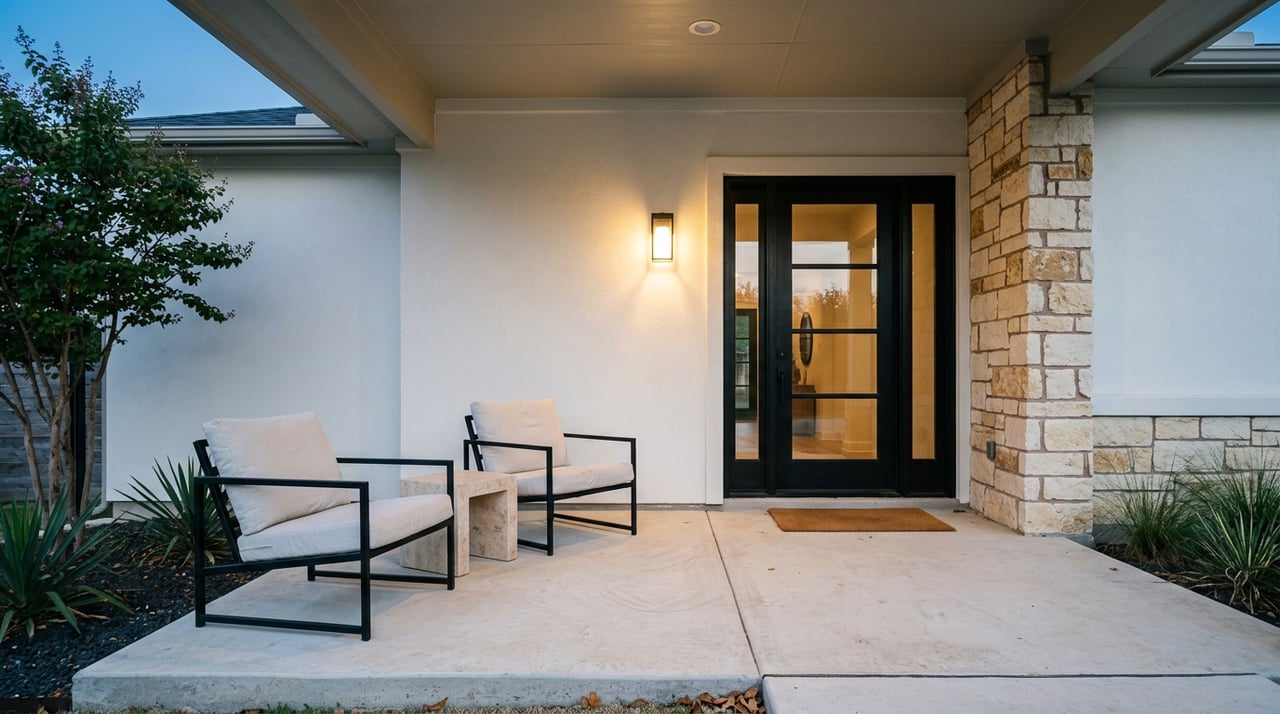
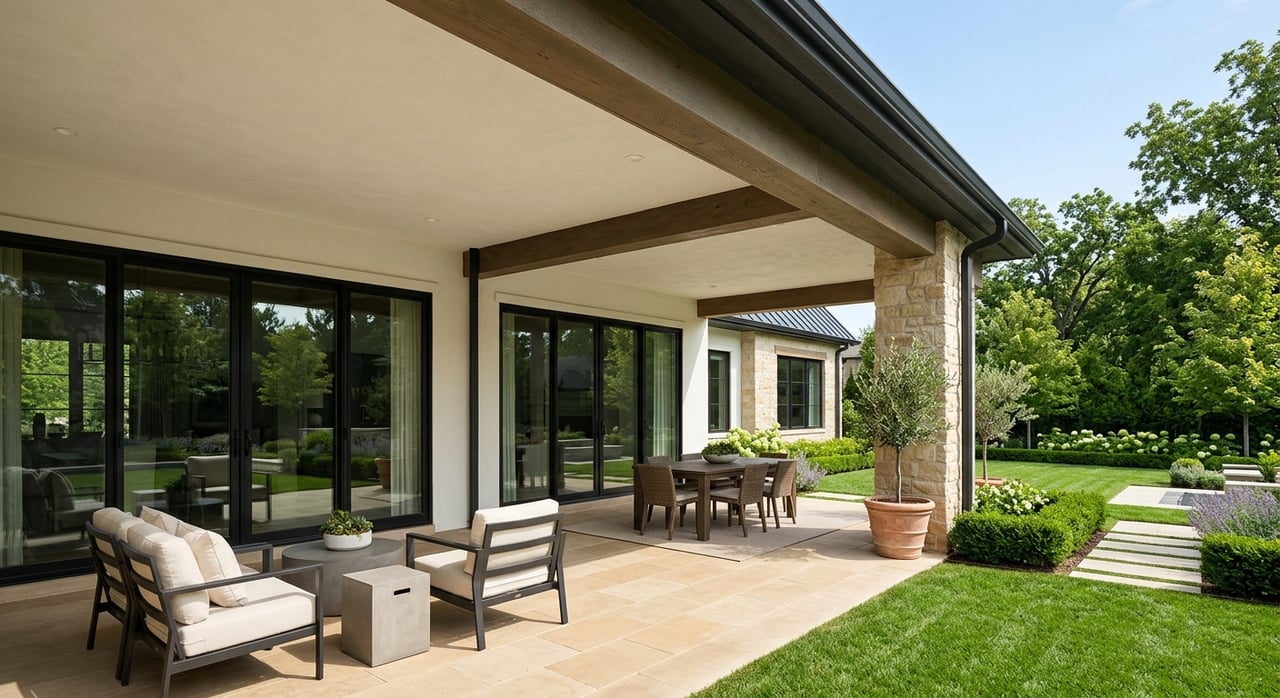
One of the biggest things to know before moving to New Braunfels is that housing options are diverse. City planning documents describe New Braunfels as primarily residential, but with a wide range of home types that include detached single-family homes and multifamily housing.
Older areas often have shaded streets and older homes, while larger homes are more common in rural-residential areas on the outskirts. Many homes are also located near the Comal and Guadalupe rivers and Lake Dunlap.
This variety is a big advantage if you are still deciding what kind of lifestyle you want. It also means you should not judge the whole market by one neighborhood or one price point.
Historic in-town homes
If you like mature trees, established streets, and homes with more age and character, older in-town areas may be worth a closer look. These parts of New Braunfels can feel more connected to downtown, parks, and long-established residential streets.
The tradeoff is that older homes may offer a different layout, lot shape, or update history than newer construction. Depending on the property, you may need to balance charm with maintenance expectations and renovation goals.
Newer subdivisions and planned growth
If you prefer newer homes, more uniform streetscapes, and planned amenities, New Braunfels has options there too. The city’s growth plan highlights communities like Veramendi, a master-planned development with single-family homes, condos, apartments, and commercial components.
That kind of planned growth gives buyers another path. You may find newer floor plans and a more recently built environment, but the experience can feel very different from older central areas.
Distinct micro-areas
Another useful thing to understand is that New Braunfels functions more like a collection of micro-areas than one uniform market. The city identifies mixed-use areas such as Gruene and Creekside, with commercial activity concentrated in Downtown, Gruene, New Braunfels Town Center, Creekside, and along major corridors like I-35, SH 46, Loop 337, FM 725, and FM 306.
For you as a buyer, that means location within the city matters a lot. Two homes with similar square footage can offer very different access to shopping, recreation, commuting routes, and day-to-day convenience.
What homes cost in New Braunfels
Price is an important part of the conversation. Current Census data shows a median owner-occupied home value of $339,400 in New Braunfels, with median gross rent at $1,654.
That places New Braunfels above the Texas overall figures of $283,800 for median home value and $1,339 for median gross rent. In simple terms, buyers moving from some other Texas markets may find that New Braunfels comes at a premium.
The city’s planning documents also identify affordability and economic diversity as ongoing priorities. That is worth keeping in mind as you compare older homes, newer subdivisions, and areas closer to rivers or major destinations.
Commuting and traffic realities
New Braunfels works well for many buyers, but it is important to be realistic about traffic. The city is not just a bedroom community, and commercial and industrial uses are concentrated along I-35 and other major roadways.
TxDOT identifies I-35 through Central Texas as one of the most congested highways in Texas. Census data puts the city’s mean travel time to work at 27.1 minutes for the 2020-2024 period.
If you will commute regularly, route choice matters. Where you live in relation to I-35, SH 46, Loop 337, FM 306, or other key roads can make a meaningful difference in your daily routine.
What that means for buyers
When you tour homes, do not just look at the house itself. Pay attention to likely work routes, common errand patterns, and how close you want to be to downtown, river areas, or retail corridors.
A home that looks perfect on paper may feel less convenient if your daily drive adds stress. On the other hand, a location that fits your routine can improve your quality of life just as much as the home’s layout or finishes.
School districts by address matter
If school access is part of your move, address-level verification is important. New Braunfels ISD says it serves nearly 10,000 students across 16 campuses, while Comal ISD says it serves New Braunfels and surrounding communities and educates more than 29,900 students across 36 campuses.
The key point is that district boundaries and attendance zones vary by address. You should confirm school assignment for any property you are seriously considering.
That matters even more in a fast-growing city. NBISD approved new elementary attendance zones for the 2025-2026 school year due to growth and the opening of new schools, which shows how quickly service areas can evolve.
How to decide if New Braunfels fits you
New Braunfels can be a strong match if you want a mix of outdoor amenities, local identity, and housing variety. It gives you the chance to choose between older established areas, river-adjacent locations, and newer planned communities without leaving the same city.
At the same time, it helps to go in with clear expectations. Pricing may run higher than some other Texas markets, and commuting can be very location-sensitive, especially if I-35 is part of your day.
The best move is usually to narrow your priorities first. Think about how you rank lifestyle, home age, lot size, commute, school boundaries, and proximity to downtown or the rivers.
If you want help comparing New Braunfels neighborhoods, touring homes, or weighing older resale options against newer construction, working with a local guide can save time and reduce stress. When you are ready to plan your move, connect with Evalon Cantu for personalized, concierge-style support.
FAQs
What makes New Braunfels appealing to relocating buyers?
- New Braunfels offers a mix of Hill Country setting, river access, downtown activity, historic character, and newer residential growth in the Austin-San Antonio corridor.
What should buyers know about New Braunfels home prices?
- Census data shows a median owner-occupied home value of $339,400 and median gross rent of $1,654, which are both above Texas overall figures.
What kinds of homes can you find in New Braunfels?
- Buyers can find older in-town homes, detached single-family homes, rural-residential properties on the outskirts, multifamily housing, and newer options in planned communities such as Veramendi.
What should commuters expect in New Braunfels?
- Commuting is heavily road-based, and I-35 through Central Texas is identified by TxDOT as one of the most congested highways in Texas, so route choice and location matter.
Which school district serves a home in New Braunfels?
- That depends on the property address, since both New Braunfels ISD and Comal ISD serve parts of the area and attendance zones can change with growth.
Which areas in New Braunfels are closest to the rivers and downtown?
- Areas near downtown, the Comal River, Landa Park, and Gruene tend to offer closer access to the city’s best-known river and entertainment destinations, but the exact feel varies by location.
Is New Braunfels better for historic homes or newer construction?
- It depends on your priorities, since older in-town areas may offer mature streets and character, while newer communities may offer more modern layouts and a planned neighborhood environment.